How to Store Cookies to Keep Them Fresh Longer
Proper storage helps cookies stay soft, crisp, and fresh for longer. The best method depends on the type of cookie and whether it contains frosting, filling, or other perishable ingredients.
For most homemade cookies, let them cool completely and store them in a sealed container at room temperature. Keep soft and crispy cookies separate, and freeze cookies when you need longer storage.
Store completely cooled cookies in an airtight container at room temperature. Keep soft and crispy cookies in separate containers. Refrigerate cookies only when their frosting or filling requires it, and freeze suitable cookies for longer-term storage.
How to Store Cookies Properly After Baking
The best way to store cookies is to cool them completely, use the right container, and protect their intended texture.
Let the Cookies Cool Completely
Let freshly baked cookies reach room temperature before storing them.
Warm cookies release steam. Sealing them too early traps moisture inside the container, which can make cookies softer or soggier than intended.
Choose the Right Storage Container
Use an airtight container for most soft and chewy cookies.
Good options include:
- Airtight plastic or glass containers
- Resealable food-storage bags
- Well-sealed cookie tins
- Freezer-safe containers for long-term storage
Loose cookie jars may look good on the counter, but they are not always tightly sealed enough to keep soft cookies fresh.
Separate Different Types of Cookies
Store soft and crispy cookies separately.
Soft cookies contain more moisture. When stored with crispy cookies, that moisture can transfer and make the crispy cookies lose their crunch.
Strongly flavored cookies are also better stored separately when possible.
Store Cookies in a Cool, Dry Place
Keep ordinary cookies away from direct sunlight, heat, and excess humidity.
A cool pantry or counter area works well for cookies that don’t require refrigeration.
How to Keep Cookies Fresh Longer
To keep cookies fresh longer, limit their exposure to air and unwanted moisture.
For better freshness:
- Cool cookies completely before storing.
- Use a tightly sealed container.
- Separate soft and crispy cookies.
- Keep cookies away from heat and humidity.
- Separate strongly flavored varieties when necessary.
- Freeze extra cookies for longer storage.
Don’t automatically refrigerate every cookie. The right method depends on its ingredients and texture.
How to Keep Cookies Soft and Chewy
Store soft cookies in an airtight container once they have completely cooled. This helps reduce moisture loss and prevents them from becoming hard too quickly.
Avoid storing chewy cookies with crispy varieties. The difference in moisture can affect the texture of both.
For additional guidance, King Arthur Baking’s cookie storage advice explains how airtight storage, moisture, and separating cookie types can help soft cookies maintain their texture.
Does Putting Bread With Cookies Keep Them Soft?
Yes. A slice of fresh white bread can help soft cookies retain moisture inside a sealed container.
Place a small piece of bread in the container and replace it when it becomes dry. Use plain bread so unwanted flavors aren’t transferred to the cookies.
Don’t use this trick with crispy cookies. Added moisture can make them soft.
How to Keep Crispy Cookies Crisp
Crispy cookies need protection from moisture.
To maintain their crunch:
- Cool them completely.
- Store them separately from soft cookies.
- Keep them in a dry environment.
- Don’t use the bread trick.
- Protect them from high humidity.
A soft cookie and a crispy cookie may taste great together, but they shouldn’t necessarily share the same storage container.
Best Way to Store Different Types of Cookies
Different cookies have different storage needs.
| Cookie Type | Best Storage Approach | Main Goal |
|---|---|---|
| Chocolate chip cookies | Airtight container | Maintain softness |
| Soft cookies | Airtight container | Reduce moisture loss |
| Crispy cookies | Sealed, dry storage | Maintain crunch |
| Sugar cookies | Airtight after cooling | Preserve texture |
| Frosted cookies | Depends on frosting | Freshness and food safety |
| Decorated cookies | Store after decoration sets | Protect decorations |
| Shortbread | Cool, dry storage | Maintain crispness |
| Filled cookies | Depends on filling | Texture and food safety |
How to Store Chocolate Chip Cookies
Let chocolate chip cookies cool completely, then place them in an airtight container at room temperature.
Keep chewy chocolate chip cookies away from crisp varieties. Freeze extra cookies if you want to keep them for longer.
For a bakery-style example, see our Chocolate Chip Cookie Cake Cookie guide , which covers a thick Crumbl dessert with a soft center and chocolate toppings.
How to Store Sugar Cookies
Cool sugar cookies completely before placing them in a sealed container.
If they’re meant to stay crisp, keep them away from soft cookies and added moisture. Soft sugar cookies benefit from airtight storage.
Decorated sugar cookies should not be stacked until the icing has fully set.
How to Store Frosted and Decorated Cookies
The frosting or filling determines how these cookies should be stored.
Some cookies can remain at room temperature, while cookies containing perishable frostings or fillings may require refrigeration.
For decorated cookies:
- Cool them completely.
- Let the icing or frosting set.
- Place them carefully in a suitable container.
- Separate layers when needed.
- Avoid crushing delicate toppings.
For example, our Crumbl Cornbread Cookie guide covers a cookie with glaze, buttercream, and honey, showing why toppings need to be considered when storing bakery-style cookies.
Should Cookies Be Refrigerated?
Most ordinary cookies do not need to be refrigerated.
Room-temperature storage is often better for maintaining the texture of plain cookies. Refrigeration can sometimes make ordinary soft cookies dry out faster.
However, cookies with perishable frostings, dairy-based fillings, custards, or similar ingredients may need refrigeration.
Always follow recipe-specific storage instructions when perishable ingredients are involved.
Some Crumbl desserts are also specifically served chilled. Our Cookies & Cream Cheesecake guide is one example of a chilled dessert where storage needs differ from an ordinary cookie.
How to Store Cookies in the Fridge
When cookies require refrigeration:
- Cool them completely.
- Place them in an airtight container.
- Separate delicate layers.
- Keep them away from strongly scented foods.
- Follow the recipe’s recommended storage time.
A good seal helps prevent cookies from drying out or absorbing refrigerator odors.
How Long Do Cookies Last?
There is no single shelf life for every cookie.
Ingredients, moisture, frosting, filling, temperature, and packaging all affect how long cookies stay fresh.
| Storage Method | General Use | Best For |
|---|---|---|
| Room temperature | Short-term storage | Most plain baked cookies |
| Refrigerator | Ingredient-dependent | Cookies requiring cold storage |
| Freezer | Longer-term storage | Suitable baked cookies |
Many ordinary homemade cookies taste best within several days at room temperature. Drier varieties may remain enjoyable longer.
Cookies with perishable toppings or fillings should follow their specific refrigeration and food-safety requirements.
How Can You Tell If Cookies Have Gone Bad?
A stale cookie isn’t necessarily a spoiled cookie.
Hardness, dryness, or reduced flavor can simply mean a cookie has become stale.
Discard cookies if you notice:
- Visible mold
- An unusual or unpleasant smell
- Unexpected changes in appearance
- Signs of spoilage in the frosting or filling
When you’re unsure about a cookie containing perishable ingredients, prioritize food safety rather than relying only on texture.
How to Soften Hard Cookies
Cookies that have dried out can sometimes be softened by adding controlled moisture.
Place soft-style cookies in an airtight container with a small piece of fresh white bread. Check them periodically until their texture improves.
This method won’t fully fix cookies that were overbaked, and it shouldn’t be used for intentionally crispy cookies.
Can the Bread Trick Soften Hard Cookies?
Yes, it can help cookies that have become hard because of moisture loss.
Place fresh white bread in the sealed container with the cookies. Moisture from the bread increases humidity inside the container and can help soften the cookies.
Remove or replace the bread as needed.
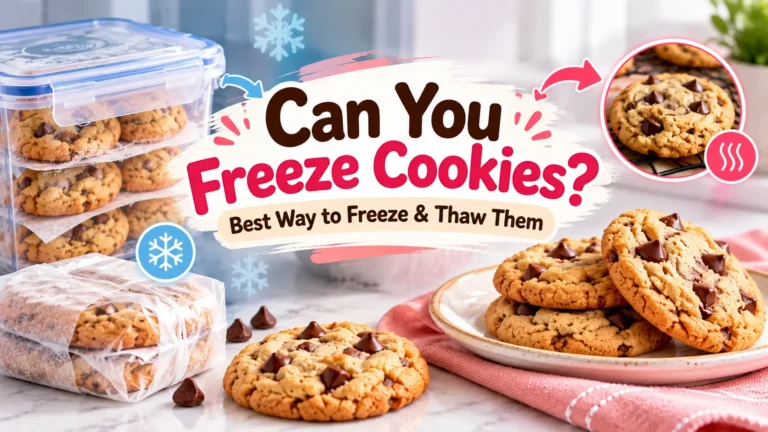
Can You Freeze Cookies to Keep Them Fresh?
Yes. Many baked cookies can be frozen for longer storage.
Chocolate chip cookies, shortbread, and other sturdy varieties generally freeze well. Delicate, heavily decorated, or filled cookies may require more careful handling.
How to Freeze Baked Cookies
For cookies suitable for freezing:
- Cool the cookies completely.
- Separate layers with parchment paper if necessary.
- Place them in a freezer-safe airtight container or bag.
- Remove excess air where practical.
- Label the package with the cookie type and date.
Freezing is especially useful when you’ve baked a large batch and don’t expect to eat all the cookies within a few days.
How to Thaw Frozen Cookies
Most plain frozen cookies can be allowed to thaw before serving.
Keep them protected while thawing so they don’t pick up excess moisture or odors. Frosted and filled cookies may require different thawing methods depending on their ingredients.
Avoid repeatedly freezing and thawing the same batch.
How to Store Bakery-Style Cookies
Bakery-style cookies are often larger, thicker, and more heavily topped than standard homemade cookies.
Check the cookie before deciding how to store it. A plain chocolate chip cookie may do well in an airtight container, while a dessert with a perishable filling may require refrigeration.
For bakery-style cookies:
- Store different textures separately.
- Protect frosting and toppings from being crushed.
- Don’t stack delicate cookies too soon.
- Use airtight storage for soft varieties.
- Follow refrigeration instructions for perishable toppings.
If you’re comparing different bakery-style desserts, our Crumbl Cookies calories and nutrition guide provides additional information about Crumbl cookie sizes, flavors, and nutrition.
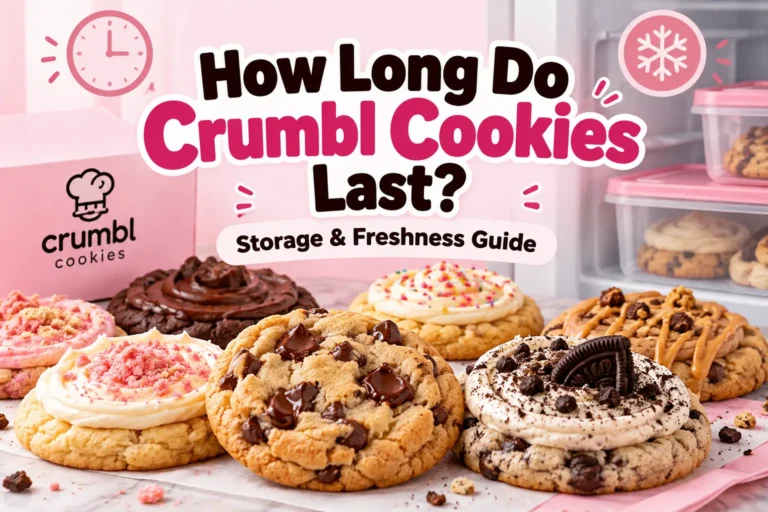
How to Store Crumbl Cookies
Crumbl desserts vary widely, so there isn’t one storage method that fits every Crumbl cookie.
Plain cookies may be suitable for airtight room-temperature storage. Frosted, filled, or chilled desserts may have different requirements depending on their ingredients.
Check our Crumbl menu this week to see the current lineup and individual dessert details before storing leftovers.
Looking for a cookie that has already rotated out? Our Crumbl last week menu keeps previous weekly lineups and past flavors together.
Common Cookie Storage Mistakes
Even properly baked cookies can lose their ideal texture when stored incorrectly.
Avoid these common mistakes:
- Storing warm cookies: Trapped steam can make them soggy.
- Leaving soft cookies exposed: Air causes moisture loss.
- Mixing soft and crispy cookies: Moisture transfers between them.
- Using bread with crispy cookies: It can reduce their crunch.
- Refrigerating every cookie: Many ordinary cookies are better at room temperature.
- Stacking decorated cookies too early: Frosting can smear or stick.
- Ignoring perishable fillings: Food safety should come before texture.
- Freezing cookies without proper wrapping: Freezer exposure can reduce quality.
- Mixing strong flavors: Cookies can absorb surrounding aromas.
Cookie Storage FAQs
Final Thoughts
The best way to store cookies depends on the texture and ingredients.
Cool cookies completely, use the right container, and keep soft and crispy varieties separate. Store ordinary cookies at room temperature when appropriate, refrigerate those with perishable ingredients, and freeze suitable cookies for longer storage.
A little attention to storage can help homemade and bakery-style cookies maintain the texture and freshness they were meant to have.